
CLIMATE AND ENVIRONMENT
Indigenous Land Rights and Earth Defense
Indigenous Peoples in many parts of the world lack secure tenure and face serious threats to their rights and territories, even as their powerful role in sustainably stewarding land and protecting biodiversity is finally gaining global recognition. Many indigenous communities are on the frontlines of the climate crisis, and are confronting unwanted earth-damaging activities on their lands—including deforestation, fossil fuel extraction, industrial mining, and other megaprojects. They are also navigating new forms of climate finance, including carbon markets, that pose both risks and opportunities for their rights.
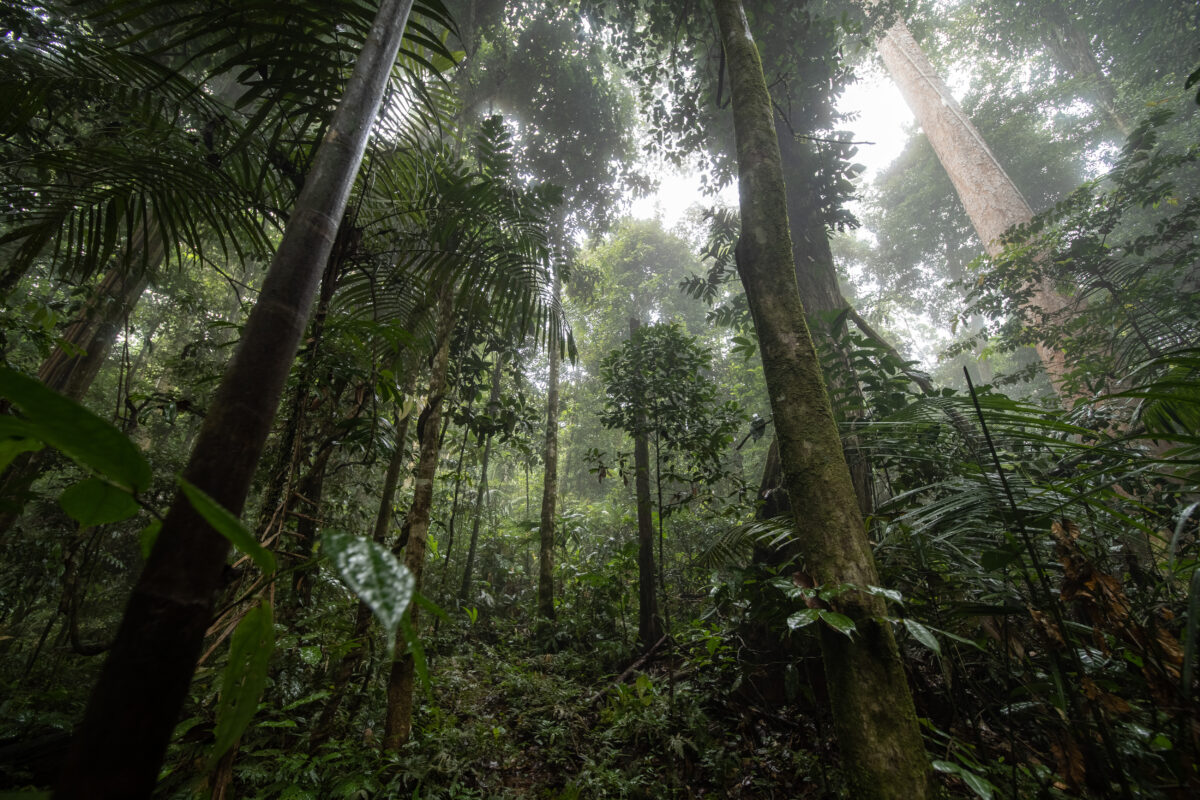
The Indigenous Land Rights and Earth Defense project partners with communities standing up to these forces and asserting their rights and self-determination. The project focuses in Guyana, a country in the midst of an extractivism boom fueled by offshore oil production, and yet with a global leadership role in biodiversity and forest conservation. Since 2017, the Global Justice Clinic (GJC) has partnered with the South Rupununi District Council (SRDC), the legal representative body of the 21 mostly Wapichan indigenous communities of the South Rupununi, Guyana. GJC the provides legal, advocacy, and legal empowerment support to the SRDC.
Through SRDC’s territorial monitoring program, trained community members document activities on Wapichan wiizi (territory) that threaten the Wapichan people’s rights, including mining and deforestation. SRDC community monitors not only document activities, they also gather evidence about the impacts of these activities and likely violations of national and international law, to inform the Wapichan people’s advocacy and governance of their territory. Monitors use their traditional knowledge to make observations and use smartphones to capture systematic data, photos, and videos, complemented by drones and satellite data. They also deploy water testing equipment to assess the impacts of mining and other activities on water resources, as well as documenting changes resulting from climate change.
GJC provides technical and legal support to the SRDC’s territorial monitoring program, including working with SRDC to ensure monitoring activities gather the most legally relevant data to challenge harmful activities, partnering in the SRDC’s introduction of scientific water testing into its monitoring program, and supporting their successful efforts to have Guyana’s Environmental Protection Agency recognize key deficiencies in a mining company’s environmental impact assessment.
The SRDC uses territorial mapping and community monitoring as the basis for environmental and land rights advocacy at the domestic and international levels, particularly to protect and assert the Wapichan people’s rights in the context of increasing gold mining. In support of these efforts, GJC:
- creates know your rights materials for the SRDC on the right to water and community rights in relation to mining
- provides legal support to the SRDC in engaging with Guyanese government agencies around gold mining
- supports submissions by the SRDC to the UN human rights system challenging rights violations
Efforts to respond to the global climate and biodiversity crisis are catalyzing new developments in climate and conservation financing and policy, such as carbon markets , biodiversity credits and innovative conservation models. These initiatives are often highly technical, complex, and directly implicate Indigenous peoples’ customary territories. They can have serious consequences for Indigenous peoples’ rights. At the same time–if certain conditions and standards are met–Indigenous communities can also harness these developments to secure support for their own priorities for their futures, and to protect their lands.
SRDC works to ensure communities have the knowledge they need to make informed decisions about how to engage with carbon markets, biodiversity credits and emerging forms of conservation and climate financing , while proactively harnessing conservation and climate policy commitments to advance self-determination and the protection of Wapichan wiizi. GJC strengthens SRDC’s efforts by conducting legal and policy research, developing know your rights materials, and working with SRDC to advance community popular education.
Legal empowerment–an approach that aims to put the law in communities’ hands by ensuring they have the skills and knowledge to know, use, shape and ultimately transform the laws that affect their lives-is a throughline of all of GJC’s work.
In addition to direct earth defense work, GJC works with the SRDC to advance legal empowerment by pioneering an indigenous community paralegal program in Wapichan wiizi and by accompanying the Wapichan Wiizi Women’s Movement in their efforts to advance indigenous women’s rights and self determination.

Report
Carbon Markets, Forests and Rights
An Introduction Series for Indigenous Peoples
Many indigenous communities have expressed that to make informed decisions about how to engage with carbon markets, they need accessible information about what these markets are, and how participating in them may affect their rights. In response to this demand for information, the GJC and the Forest Peoples Programme have developed a series of introductory materials about carbon markets.
Report
Community-led monitoring in Guyana essential to Indigenous justice systems and access to justice
Submission to the UN Special Rapporteur on the independence of judges and lawyers
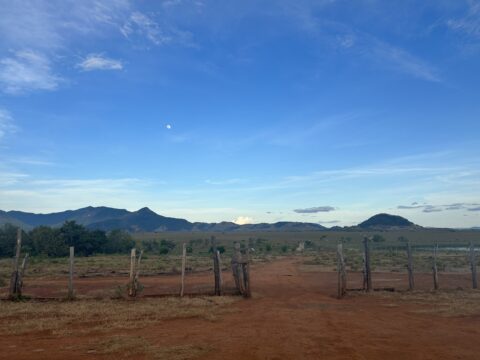
A recent submission by the South Rupununi District Council (SRDC) – the representative institution of the Wapichan people – and the GJC highlights the importance of community monitoring to Indigenous justice systems and access to justice, and calls for greater government recognition and collaboration with Indigenous led community monitoring efforts. GJC has partnered with the SRDC since 2016.

Video
Community monitoring in Mining: Turning Local Evidence Into Action
Webinar
Webinar co-hosted by GJC and Namati, exploring how mining-affected communities can use community monitoring to document harms, build collective power, pursue remedies and accountability, and take preventive action before mining begins. Features South Rupununi District Council representative Nicholas Fredericks, as well as GJC partner Olrich Jean Pierre.